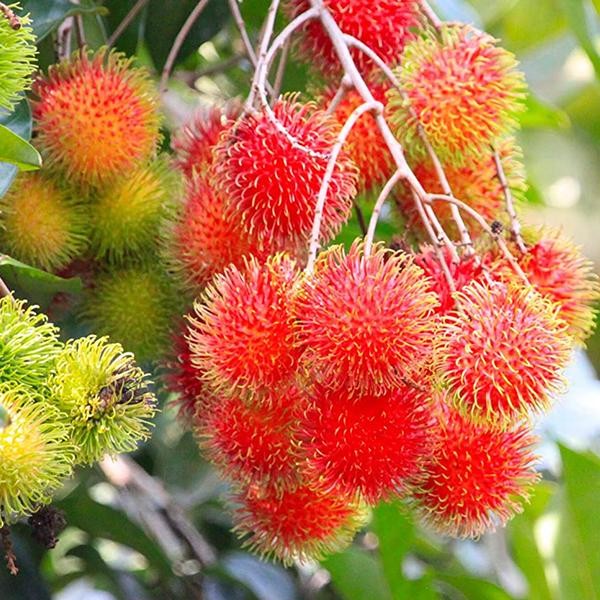
N18 Rambutan Fruit Plant: A to Z Guide
Introduction to N18 Rambutan Plant
The N18 Rambutan is a high-yielding variety of the rambutan fruit, scientifically known as Nephelium lappaceum. Known for its unique, hairy appearance and sweet, juicy taste, rambutan is a tropical fruit widely grown in Southeast Asia. The N18 variety is particularly prized for its superior fruit quality, high yield, and resistance to common pests and diseases.
2. Origin and History
The rambutan tree is native to the Malay Archipelago and other regions of tropical Southeast Asia. The N18 variety is a hybrid, selected for its improved characteristics, including better fruit quality, faster growth, and increased disease resistance.
3. Plant Characteristics
- Tree Size: The N18 rambutan tree typically grows up to 15-25 feet in height.
- Leaves: The tree has glossy, dark green leaves that are oblong in shape.
- Flowers: Small, white to yellow flowers that grow in clusters.
- Fruit: The N18 variety produces bright red or yellow fruits with soft, spiky hairs on the outer skin, offering a sweet, juicy, and slightly acidic flavor.
- Fruit Size: N18 fruits are typically large, with a single, fleshy seed inside.
4. Soil and Climate Requirements
- Soil Type: Rambutan trees thrive in well-draining, slightly acidic soil with a pH of 5.5 to 6.5.
- Climate: These plants need a tropical or subtropical climate with temperatures ranging from 22°C to 30°C (72°F to 86°F). They require high humidity and do not tolerate frost.
5. Planting the N18 Rambutan Tree
- Spacing: Plant trees about 25-30 feet apart to allow for proper air circulation and root development.
- Planting Time: Ideal for planting in the rainy season when the soil is moist.
- Planting Depth: Plant the tree at the same depth it was in the nursery pot, ensuring that the root ball is level with the surrounding soil.
6. Care and Maintenance
- Watering: Regular watering is essential, especially during dry periods, but avoid waterlogging. Deep watering is recommended.
- Fertilizing: Use a balanced fertilizer (NPK 10-10-10) every 2-3 months for healthy growth. Organic compost can also be beneficial.
- Pruning: Prune the tree to remove dead or damaged branches, allowing for better airflow and sunlight penetration.
- Mulching: Apply organic mulch around the base to retain moisture and improve soil health.
7. Pest and Disease Control
- Common Pests: The N18 rambutan variety is resistant to many common pests, but occasional attacks from fruit flies, scale insects, and aphids may occur.
- Diseases: The plant can sometimes be affected by fungal diseases like root rot. Ensure proper drainage and avoid overwatering to reduce the risk.
- Organic Control: Neem oil and insecticidal soap can be used for pest control. Fungicides may be used in case of fungal infections.
8. Flowering and Fruiting
- Flowering Season: Rambutan trees generally bloom in late spring to early summer, but flowering can occur year-round in tropical climates.
- Pollination: The N18 rambutan tree is self-pollinating, but cross-pollination may improve fruit quality and yield.
- Fruit Harvesting: The fruit is usually ready for harvesting 12-15 months after planting. The skin will turn a bright red or yellow when it’s ripe. The fruit should be harvested carefully to avoid damaging the delicate flesh.
9. Yield and Productivity
The N18 variety is known for its high yield, with mature trees producing up to 300-500 fruits per tree per year, depending on environmental conditions and care. It’s a consistent producer, providing high-quality, large rambutan fruits that are perfect for commercial farming or home consumption.
10. Health Benefits of Rambutan
- Rich in Nutrients: Rambutan fruits are a great source of vitamin C, iron, and antioxidants, helping boost immunity, promote healthy skin, and support overall health.
- Hydration: The high water content in rambutan helps in maintaining hydration.
- Digestive Health: The fiber content aids in digestion and prevents constipation.
11. Harvesting and Post-Harvest Care
- Harvesting Tips: Gently twist the rambutan fruit off the tree to avoid damaging the delicate flesh.
- Storage: Fresh rambutan fruits should be stored in a cool, dry place or refrigerated to extend shelf life. They can also be processed into canned fruits or juices.
12. Commercial Potential
The N18 rambutan has significant commercial potential due to its high yield, resistance to diseases, and market demand. It is widely used in juices, jams, and fresh fruit consumption. The variety can be exported to various countries, especially where tropical fruits are in high demand.
13. Conclusion
The N18 Rambutan Fruit Plant is a top-tier variety known for its excellent fruit quality, high yield, and easy care. Whether you’re a home gardener or a commercial grower, this plant can provide you with sweet, juicy fruits that are sure to delight. With proper care, the N18 variety will reward you with abundant, delicious fruits for years to come.N